
Environmental assessments play an essential role in understanding site conditions and supporting responsible property decisions. Accurate scientific information allows property owners, developers, and project professionals to make well-informed choices. Through reliable laboratory analysis, environmental samples can be examined carefully to identify important characteristics and provide dependable findings. This scientific approach strengthens assessment quality, encourages informed planning, and supports positive outcomes throughout property development and environmental management.
Improving Accuracy Through Scientific Testing
Laboratory testing provides valuable information about soil, groundwater, sediment, and other environmental samples. Carefully performed examinations help transform collected samples into meaningful results that support accurate assessments. Consistent testing practices also improve confidence in environmental information.
Key benefits include:
- Identifying environmental conditions through detailed sample examinations.
- Producing accurate measurements for informed project evaluations.
- Supporting consistent findings through established testing procedures.
- Providing useful information for environmental planning and management.
- Improving confidence in technical reports and assessment conclusions.
Strengthening Environmental Decision-Making
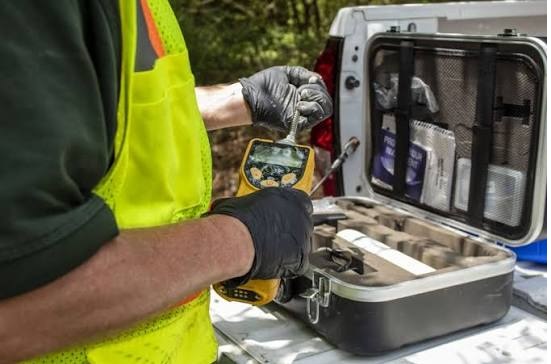
Well-supported environmental decisions begin with dependable scientific information. When assessment results are based on carefully analyzed samples, professionals can understand site characteristics more clearly and develop suitable plans. This encourages efficient project preparation and responsible resource management. Through reliable laboratory analysis, decision-makers gain access to meaningful data that helps them evaluate environmental conditions and establish appropriate priorities. These findings contribute to greater transparency and confidence during important property-related discussions.
Supporting Comprehensive Sample Evaluation
Different environmental samples require appropriate analytical methods to produce meaningful results. Professional laboratories follow suitable testing procedures to examine sample characteristics and identify relevant parameters. This comprehensive approach helps ensure that important environmental details receive proper attention.
Important evaluation areas include:
- Soil composition and relevant chemical characteristics.
- Groundwater quality and measurable environmental parameters.
- Sediment properties and potential environmental influences.
- Sample consistency and analytical measurement accuracy.
- Documented findings that support further investigations.
Encouraging Better Project Preparation
Accurate laboratory findings contribute significantly to effective construction and development planning. Understanding environmental conditions early allows project professionals to organize resources, establish suitable priorities, and prepare appropriate measures. This creates a stronger foundation for smooth project coordination. Accessible testing information also helps property stakeholders communicate technical findings more effectively. Those interested in understanding available assessment support can click here to explore relevant information and testing considerations.
Building Trust Through Quality Assurance
Quality assurance is an important part of producing dependable laboratory results. Careful sample handling, calibrated equipment, documented procedures, and consistent analytical practices help maintain testing reliability. These measures strengthen the credibility of environmental reports and support greater confidence among stakeholders.
A quality-focused approach offers several advantages:
- Maintaining consistency across laboratory examinations.
- Supporting dependable sample identification and documentation.
- Improving clarity in analytical reporting.
- Encouraging transparent communication of test findings.
- Strengthening confidence in environmental assessment outcomes.
Promoting Responsible Environmental Management
Scientific testing supports a broader commitment to environmental responsibility. Accurate findings help professionals understand existing conditions, monitor environmental quality, and identify suitable opportunities for improvement. Such information encourages thoughtful property management and sustainable development practices. Ultimately, reliable laboratory analysis strengthens environmental assessment accuracy by providing clear, consistent, and scientifically supported information. With dependable testing results, property owners and project professionals can approach planning with greater confidence, encourage responsible decisions, and support positive environmental outcomes. Investing in quality laboratory evaluation creates lasting value for informed development and effective environmental stewardship.