Skip to content
Menu
  • Home
  • Finance
  • Health
  • Business
  • Technology
    • Social media
    • Software
  • Games
  • Education
  • Privacy Policy
  • Contact here
Indyleaguesgraveyard

Author: William

Whip Cream Tank Designed For Convenience and Kitchen Use

Posted on April 6, 2026April 10, 2026

A well-designed whipped cream tank brings effortless efficiency to any kitchen, turning ordinary recipes into smooth, airy creations with minimal effort. Its thoughtful construction and user-friendly features make it a valued tool for both home cooks and culinary enthusiasts who appreciate speed, precision, and clean results.

Streamlined Design for Everyday Use

Modern whipped cream tanks are crafted with simplicity in mind. Their sleek bodies, lightweight structure, and intuitive mechanisms ensure that even beginners can operate them confidently.
Key advantages include:

  • Ergonomic grip that supports comfortable handling during preparation
  • Clear fill indicators that prevent overfilling and maintain optimal pressure
  • Easy-seal threading that provides a secure, leak-resistant connection

Efficient Performance for Multiple Recipes

A high-quality tank enhances texture and consistency, allowing users to achieve perfect whipped cream with little physical effort. Investing in a sturdy whip cream tank enhances productivity while ensuring consistent texture and taste in whipped creations.

Performance benefits:

  • Consistent aeration for fluffy, stable cream every time
  • Pressure-controlled dispensing that improves accuracy and presentation
  • Versatility suitable for creams, foams, light desserts, and decorative toppings

Engineering Focused on Convenience

These tanks are built to simplify kitchen tasks while maintaining excellent results.

Practical Features:

  • Quick-charge system for instant readiness
  • Smooth-glide trigger that provides controlled dispensing
  • Balanced internal structure that distributes pressure evenly

Additional Convenient Elements:

  • Detachable nozzles offering multiple decorative styles
  • Wide-mouth opening for faster and cleaner refills
  • Compact body that fits comfortably in drawers or storage racks

Durability and Reliability

Longevity is a major strength of a well-crafted whipped cream tank. Every component is made to withstand regular use, making it a dependable tool for ongoing culinary projects.
Durability highlights:

  • Reinforced metal body for long-term resilience
  • Sturdy gasket design that keeps seals tight and dependable
  • Corrosion-resistant interior that maintains flavor purity

Designed for Simple Maintenance

Cleaning and maintenance are key considerations when choosing any kitchen tool, and whipped cream tanks excel in this area.
Maintenance features:

  • Easy-remove parts that simplify rinsing and deep cleaning
  • Smooth interior surface that prevents build-up
  • Dishwasher-safe components that reduce cleaning time

Enhanced User Experience

A whipped cream tank is more than just a tool; it elevates the experience of preparing desserts, beverages, and garnishes.

User-oriented benefits:

  • Noise-reduced operation ideal for quiet kitchens
  • Non-slip base helping stabilize the tank while filling
  • Multiple nozzle attachments for creative plating and decorating
  • Lightweight build that reduces strain during prolonged use

A Valuable Addition to Any Kitchen

Whether preparing a simple topping or crafting an elaborate dessert, a well-designed whipped cream tank delivers convenience, consistency, and creative freedom. Its combination of performance, durability, and ease of use makes it a standout companion for anyone who enjoys enhancing dishes with fresh, airy cream.

Enhance Accuracy And Speed With Innovative โปรแกรมทำใบเสนอราคา

Posted on April 2, 2026April 7, 2026

Accurate and efficient quotation creation is vital for businesses striving to stay ahead in competitive markets. Modern quotation generation software offers transformative tools that streamline processes, minimize errors, and accelerate response times. By leveraging these innovative solutions, companies can enhance productivity while delivering professional proposals that impress clients.

Streamlining Quotation Processes

Quotation generation software simplifies the traditionally complex task of preparing quotes. Automation allows teams to generate precise quotations in a fraction of the time, eliminating the need for manual calculations and repetitive data entry. Key advantages include:

  • Instant calculation of pricing based on predefined parameters
  • Automatic inclusion of taxes, discounts, and additional fees
  • Predefined templates for consistency and professional presentation
  • Centralized storage of quotation history for easy reference

This efficiency reduces human error, ensures accuracy, and allows sales teams to focus more on client relationships rather than administrative tasks. Scalable features within ERPPOP support business growth while maintaining efficiency and effective resource management.

Boosting Speed and Productivity

Speed is a critical factor in winning new business opportunities. By automating repetitive processes, quotation software enables rapid response to customer inquiries. Benefits of enhanced speed include:

  • Quick generation of multiple quotations tailored to different client needs
  • Reduced turnaround time for approvals and revisions
  • Improved internal collaboration through shared access to quotation drafts
  • Streamlined workflow that integrates with inventory and pricing systems

Faster responses not only improve client satisfaction but also enhance the overall business reputation for reliability and professionalism.

Ensuring Accuracy and Consistency

Consistency is crucial when presenting quotes to clients. Errors or inconsistencies can lead to lost opportunities or strained business relationships. Quotation generation tools guarantee precision by:

  • Standardizing quotation formats across the organization
  • Minimizing calculation errors through automated formulas
  • Reducing the risk of miscommunication between departments
  • Ensuring every quotation adheres to company policies and pricing guidelines

Accurate quotations foster trust with clients, making it easier to secure deals and build long-term partnerships.

Customization and Flexibility

Modern software solutions provide flexible options that cater to diverse business needs. Customization ensures that each quotation aligns with specific client requirements without compromising speed or accuracy. Features include:

  • Editable templates for unique branding and client-specific messaging
  • Dynamic fields for varying products, services, and pricing structures
  • Options for digital delivery in multiple formats for client convenience
  • Integration with reporting tools to track quotation performance and conversion rates

These capabilities empower teams to maintain professionalism while addressing individual client preferences effectively.

Driving Business Growth

Adopting quotation generation software is a strategic investment that drives overall growth. Organizations can optimize workflows, improve client satisfaction, and increase win rates for proposals. By combining accuracy, speed, and customization, businesses gain a competitive edge in acquiring and retaining clients.

Ultimately, innovative quotation generation software transforms the way businesses approach sales, ensuring that every quote is precise, timely, and professional. Companies that embrace these tools are better equipped to thrive in dynamic markets while enhancing productivity and client trust.

Chip bag sizes improve convenience for on-the-go snacking lifestyles

Posted on March 31, 2026April 1, 2026

In today’s fast-paced world, convenience plays a crucial role in shaping consumer choices. Snacking habits have evolved significantly, with people seeking quick, portable, and satisfying options that fit seamlessly into their busy routines. Chip bag sizes have become a key factor in meeting these demands, offering practical solutions that enhance on-the-go snacking experiences while maintaining product appeal and usability.

Designed for Modern Lifestyles

Modern consumers are constantly moving whether commuting, traveling, or balancing work and leisure. Chip bag sizes are thoughtfully designed to align with these dynamic lifestyles, ensuring snacks are easy to carry, open, and enjoy anywhere.

Smaller and medium-sized chip bags, in particular, provide flexibility for individuals who need quick energy boosts without the burden of carrying bulky packaging. These sizes allow consumers to enjoy their favorite snacks without interrupting their daily flow.

Key Benefits of Convenient Chip Bag Sizes

Chip bag sizes contribute significantly to convenience by addressing multiple consumer needs:

  • Portability: Compact packaging fits easily into bags, backpacks, and even pockets
  • Easy Handling: Lightweight designs make snacking simple and mess-free
  • Quick Access: User-friendly openings allow for immediate consumption
  • Minimal Waste: Right-sized portions reduce the need to store leftovers
  • Versatile Usage: Suitable for travel, office breaks, school lunches, and outdoor activities

These benefits collectively enhance the overall snacking experience, making chip bags an ideal choice for people on the move. Homemade snack businesses benefit from uniform 8 oz bag of chips size packaging.

Supporting Portion Control and Satisfaction

Convenience is not just about mobility it also involves mindful consumption. Chip bag sizes help consumers manage portion intake effectively, allowing them to enjoy snacks without overindulging. Individually sized packs are especially valuable for those who prefer balanced eating habits while still enjoying flavorful treats.

At the same time, larger options remain available for sharing, ensuring that convenience extends to group settings such as picnics, road trips, or casual gatherings.

Enhancing Storage and Accessibility

Another advantage of optimized chip bag sizes is improved storage. Smaller packages are easier to organize in kitchen cabinets, office drawers, or vending displays. This accessibility ensures that snacks are always within reach when needed, reducing preparation time and enhancing spontaneity.

Additionally, efficient packaging design helps maintain product freshness, ensuring that each serving delivers consistent taste and quality, even when consumed on the go.

Boosting Consumer Engagement

Convenient chip bag sizes also play a role in attracting and retaining consumers. Eye-catching, well-proportioned packaging enhances visual appeal while reinforcing ease of use. When consumers associate a product with convenience and reliability, it strengthens their overall satisfaction and encourages repeat purchases.

Furthermore, varied size options allow consumers to choose what best suits their needs, creating a more personalized snacking experience.

Conclusion

Chip bag sizes have become an essential element in supporting modern, on-the-go snacking lifestyles. By prioritizing portability, ease of use, and portion control, these packaging solutions align perfectly with the needs of today’s consumers. As snacking trends continue to evolve, thoughtfully designed chip bag sizes will remain a driving force in delivering convenience, satisfaction, and everyday practicality.

Pontiac Muscle Car Engines Roar With Unmatched Strength

Posted on March 31, 2026April 1, 2026

Muscle cars are a symbol of raw power, precision engineering, and timeless automotive passion. Their engines are designed to deliver an exhilarating driving experience, combining high horsepower with a distinctive roar that commands attention on the road. These engines are not just machines they are a testament to  automotive ingenuity.

Legendary Performance and Power

Muscle car engines are built to perform, offering incredible acceleration and a thrilling driving experience. The power delivered by these engines makes them favorites among automotive enthusiasts and collectors alike.

Performance highlights include:

  • High horsepower and torque for explosive acceleration
  • Engine designs optimized for both speed and reliability
  • Smooth power delivery across a wide RPM range
  • Iconic engine sounds that define the muscle car experience
  • Capability to handle high-performance upgrades and modifications

Precision Engineering and Innovation

These engines showcase meticulous engineering, with attention to detail in every component. Their design balances strength and efficiency, ensuring that each drive is both powerful and controlled. Restoring a pontiac muscle car can be a rewarding project, bringing back its original beauty and powerful road presence.

Engineering advantages include:

  • Durable materials built to withstand intense stress
  • Innovative designs that maximize airflow and combustion efficiency
  • Balanced weight distribution for better handling
  • Advanced cooling systems for sustained performance
  • Precision machining for consistent engine reliability

Iconic Design and Aesthetic Appeal

The visual appeal of muscle car engines is as strong as their performance. Open hoods reveal intricately designed engines that are as much a statement piece as they are a functional powerhouse.

Design features include:

  • Polished finishes and visually striking components
  • Classic layouts that emphasize symmetry and craftsmanship
  • Engine compartments that highlight performance-oriented designs
  • Bold and aggressive styling cues reflecting the car’s power
  • Attention to every detail, from valve covers to air intakes

Thrill of the Driving Experience

The driving experience offered by these engines is unmatched. The combination of sound, speed, and responsiveness creates a connection between driver and machine that is uniquely exhilarating.

Driving benefits include:

  • Immediate throttle response for dynamic performance
  • Deep, resonant engine notes that enhance driving pleasure
  • Smooth gear transitions for controlled power delivery
  • Ability to perform high-speed maneuvers confidently
  • Enhanced road presence through both sound and motion

Longevity and Reliability

Muscle car engines are built to last, with robust components and time-tested designs. Their longevity ensures that enthusiasts can enjoy peak performance for decades.

Reliability highlights include:

  • Engine components designed for endurance
  • Proven durability under high-performance conditions
  • Low maintenance requirements with proper care
  • Resilient construction that supports upgrades and tuning
  • Consistent performance across years of driving

Enduring  Strength

Muscle car engines embody the spirit of strength, innovation, and excitement. They are more than just engines they are icons of  automotive excellence, delivering unmatched performance and thrilling every journey.

Long-term advantages:

  • Timeless performance that never loses appeal
  • Inspires automotive enthusiasts worldwide
  • Combines power, reliability, and style seamlessly
  • Supports personalization and performance upgrades
  • Leaves a lasting legacy in automotive history

These engines continue to roar with unmatched strength, capturing the essence of what makes muscle cars legendary and unforgettable.

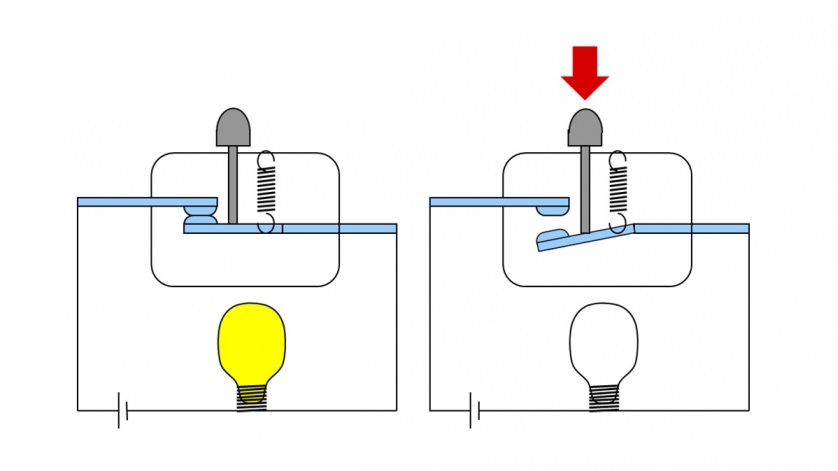
Mastering limit switch symbol supports efficient installation and configuration practices

Posted on March 30, 2026April 1, 2026

In modern industrial and automation environments, precision and clarity are essential. One often-overlooked yet highly valuable element in system design and setup is the limit switch symbol. Mastering this symbol plays a critical role in ensuring efficient installation and smooth configuration processes. When technicians and engineers fully understand these symbols, they can execute tasks faster, reduce errors, and enhance overall system performance.

Why Limit Switch Symbols Matter in Installation

Limit switch symbols act as a universal language within electrical and mechanical schematics. They visually represent the behavior and function of switches in a system, helping professionals interpret diagrams quickly and accurately.

Key advantages include:

  • Clear identification of normally open (NO) and normally closed (NC) contacts
  • Improved understanding of actuator positions and movement limits
  • Faster interpretation of wiring diagrams
  • Reduced dependency on lengthy textual explanations

By mastering these symbols, installation teams can confidently connect components without confusion, ensuring that systems are set up correctly the first time.

Enhancing Configuration Accuracy

Configuration is a critical phase where systems are fine-tuned for optimal operation. A strong grasp of limit switch symbols allows professionals to align physical setups with schematic designs precisely.

Benefits during configuration include:

  • Accurate mapping between diagrams and real-world components
  • Efficient parameter adjustments based on symbol indications
  • Seamless integration with control systems
  • Reduced trial-and-error during setup

With clear symbol knowledge, technicians can quickly verify whether a switch is functioning as intended, leading to smoother commissioning and faster project completion. Learning open switch symbol improves schematic interpretation accuracy.

Supporting Faster Troubleshooting During Setup

Even during installation and configuration, minor issues can arise. Mastery of limit switch symbols enables quick identification of potential problems without unnecessary delays.

Key troubleshooting advantages:

  • Immediate recognition of incorrect wiring connections
  • Easier detection of misaligned switch positions
  • Faster validation of control logic
  • Reduced downtime during system setup

This proactive approach ensures that systems become operational sooner, maintaining productivity and minimizing disruptions.

Improving Team Coordination and Workflow

Installation and configuration often involve collaboration between multiple professionals. A shared understanding of limit switch symbols enhances communication and coordination across teams.

Positive impacts include:

  • Consistent interpretation of schematics among team members
  • Reduced miscommunication between engineers and technicians
  • Streamlined workflow across installation stages
  • Greater confidence in collaborative decision-making

When everyone speaks the same visual language, projects progress more smoothly and efficiently.

Best Practices for Mastering Limit Switch Symbols

Developing expertise in limit switch symbols does not require complex methods. With focused effort, professionals can quickly enhance their understanding and application skills.

Effective practices include:

  • Regularly reviewing standard electrical schematics
  • Practicing symbol identification in real-world diagrams
  • Cross-referencing symbols with actual components
  • Staying updated with industry-standard representations

These habits build confidence and ensure long-term proficiency in installation and configuration tasks.

Conclusion

Mastering limit switch symbols is a valuable skill that directly supports efficient installation and accurate configuration practices. From improving diagram interpretation to enhancing teamwork and troubleshooting, the benefits are both immediate and long-lasting. By investing time in understanding these essential symbols, professionals can achieve smoother workflows, faster setups, and highly reliable system performance.

Speed Up Plant Onboarding With Reliable Automated Data Pipelines

Posted on March 13, 2026

Efficiently onboarding new plants into a catalog or system are crucial for businesses in the horticulture industry. Relying on manual data entry can be slow, error-prone, and overwhelming. Implementing reliable automated data pipelines streamlines the process, ensuring that plant information is accurate, consistent, and delivered quickly. This not only saves time but also enhances the overall customer experience.

Automated Data Pipelines Are Essential

Automated data pipelines help transform raw plant information into structured, ready-to-use formats. This reliability allows teams to focus on more strategic tasks rather than spending hours on repetitive data management. Plant photos combined with DNA data enable advanced phylogenetic studies and better understanding of evolutionary relationships.

Key benefits include:

  • Faster onboarding: Automation dramatically reduces the time needed to process new plant data.
  • Higher accuracy: Automated checks help prevent mistakes and inconsistencies.
  • Consistent formatting: Standardized data ensures all plants are described uniformly.
  • Improved scalability: Teams can manage a growing catalog without adding extra staff.
  • Better customer trust: Reliable data gives customers confidence in product information.

By leveraging automation, businesses can maintain an organized, up-to-date plant catalog effortlessly.

Core Features of Reliable Data Pipelines

A well-designed automated pipeline includes several essential components that enhance data integrity and speed.

Important features include:

  • Data validation: Ensures all plant attributes meet predefined quality standards.
  • Error detection and correction: Automatically flags discrepancies and applies fixes when possible.
  • Standardized templates: Uniform data structures allow for easier comparison and filtering.
  • Real-time updates: Fresh information is quickly integrated into catalogs or databases.
  • Scalable processing: Capable of handling large batches of new plant data simultaneously.

These features reduce manual work and improve overall efficiency in the onboarding process.

Benefits for Operational Efficiency

Automated pipelines not only save time but also streamline internal operations. Teams can focus on growth, marketing, and customer engagement instead of repetitive data tasks.

Operational advantages include:

  • Reduced workload: Less manual entry frees up staff for strategic activities.
  • Faster decision-making: Instant access to verified plant data enables quicker business responses.
  • Seamless integration: Data pipelines work with existing systems to maintain smooth workflows.
  • Enhanced collaboration: Clear and accurate data allows different teams to coordinate effectively.
  • Lower risk of errors: Automation minimizes human mistakes that can lead to costly corrections.

These operational improvements create a more efficient and responsive business environment.

Supporting Customer Experience

Accurate and up-to-date plant information directly impacts the customer journey. Reliable automated pipelines ensure that customers receive the correct details every time, reducing confusion and enhancing satisfaction.

Key customer-focused benefits include:

  • Clear plant descriptions: Accurate attributes help shoppers choose the right plants.
  • Consistent experience: Standardized data eliminates conflicting information across platforms.
  • Faster catalog updates: New arrivals are visible immediately, keeping offerings fresh.
  • Improved trust: Customers are more likely to return when they can rely on product information.
  • Better decision-making: Verified details empower customers to make confident choices.

Creating a Streamlined Plant Onboarding Process

By integrating reliable automated data pipelines, businesses can accelerate plant onboarding while maintaining accuracy and consistency. These systems improve operational efficiency, reduce errors, and enhance the customer experience. The result is a smoother, faster, and more satisfying journey for both internal teams and plant enthusiasts alike.

Finding Licensed Bathroom Renovators on the Gold Coast (without getting burned)

Posted on March 1, 2026March 3, 2026

Hot take: if a renovator can’t clearly explain their licensing and insurance in under two minutes, they’re not touching my bathroom.

I’ve seen “great tilers” turn into expensive lessons the moment waterproofing fails and everyone starts pointing fingers.

So yes, aesthetics matter. But on the Gold Coast, the real make-or-break is compliance, scope control, and whether the person quoting you is actually the person responsible for the work.

Start with credentials (and don’t accept vibes as evidence)

Look, a slick Instagram feed is not a licence. Before you fall in love with a portfolio from purported licensed bathroom renovators in Burleigh & Southport, verify the legal basics.

On the Gold Coast, licensing for building work typically runs through the Queensland Building and Construction Commission (QBCC). ASIC may show business registration details, but it won’t tell you if someone is properly licensed to carry out regulated building work.

Here’s the practical order I use:

  1. Ask for their QBCC licence number (no number, no meeting).
  2. Check the QBCC licence search for:

   – licence status (active/suspended/expired)

   – licence class / scope of work allowed

   – any conditions recorded against it

  1. Confirm the name matches the quote, invoices, and contract entity. Mismatches get messy fast.

A specific data point that’s hard to ignore: QBCC received 10,000+ complaints and enquiries about building and construction in 2022, 23 (QBCC Annual Report 2022, 23). Not all are bathroom jobs, obviously, but it tells you how often things go sideways when paperwork, standards, and expectations aren’t nailed down.

One-line truth:

If waterproofing fails, nobody cares how good the tapware looked.

What a QBCC licence actually tells you (and what it doesn’t)

A current QBCC licence usually shows you the renovator meets baseline requirements and is authorised for certain work types. That’s the technical layer. The human layer is different.

The licence check can reveal:

Kuda Bathrooms & Renovations

– expiry date (surprisingly common to see an “oops, it lapsed” situation)

– licence class relevant to renovation/building work

– conditions, exclusions, or suspension history if recorded

Now, this won’t apply to everyone, but… plenty of bathroom “renovators” are really just coordinators. They might be unlicensed themselves while hiring licensed subcontractors. That can work, or it can be a liability soup. Ask who is legally responsible for the job and who is providing the contract.

Also ask about public liability insurance. I’m opinionated here: if they can’t email you the certificate promptly, assume they don’t have it organised.

Portfolios: pretty photos are cheap. Consistency isn’t.

Here’s the thing. A bathroom can photograph well and still be built poorly.

When you look at a portfolio, don’t just react to style. Scan for repeatable quality:

– Are grout lines clean and consistent across multiple jobs?

– Do you see tidy transitions at shower niches, floor wastes, and trims?

– Do they show “boring” bathrooms too, or only hero shots?

– Any before/after context, or just glossy finished images?

In my experience, the best renovators will happily show you projects that had constraints: crooked walls, tight spaces, old slab surprises (because that’s real life on the Coast, especially in older stock).

How I’d question references (wording that actually gets honesty)

When you call past clients, skip the soft stuff. Ask:

– “Did they finish when they said they would? If not, why?”

– “What changed during the job, and how was it priced?”

– “If something went wrong after handover, did they show up quickly or ghost you?”

– “Were trades punctual and respectful of the house?”

– “Would you hire them again with your own money?”

Talk to at least three references. Two is too easy to curate.

Scope, budget, timeline: boring on paper, lifesaving in reality

If you want accurate quotes, you need a scope that leaves little room for interpretation. Otherwise you’ll get “allowances” and vague inclusions that blow out later.

A solid scope should specify:

– shower vs bath configuration, screens, niche sizes

– vanity size and storage style

– tile types, tile height, feature walls

– waterproofing extent (and standard)

– ventilation (fans, ducting, any window changes)

– plumbing relocations (if any)

– electrical points, lighting plan, mirror type

– demolition and waste removal

– painting and finishing details

Budget-wise, separate your costs mentally even if you don’t price them yourself: demolition, carpentry, plumbing, electrical, tiling, waterproofing, cabinetry, fixtures, fittings, and a contingency buffer.

And timeline? Make it real. Supply delays are common. So are hidden substrate issues once tiles come off. Build slack into your plan or you’ll end up making expensive rushed decisions.

Quotes and comparisons: don’t compare totals, compare inclusions

Some quotes look cheap because they quietly exclude the hard parts: waterproofing details, tile trims, ventilation upgrades, rubbish removal, or realistic waterproofing/tiling labour time.

Ask for itemised quotes that include:

– product model numbers / SKUs (or at least clear specifications)

– labour inclusions and exclusions

– provisional sums (and what triggers changes)

– estimated start date and duration

– who supervises day-to-day site work

Communication style matters too. If they’re vague now, they won’t suddenly become precise when something cracks mid-job.

Contract and warranty: where good jobs stay good

When the contract lands, slow down. Read it like you’re trying to spot a trap, because sometimes you are.

Check for:

– exact scope and materials (not “similar”)

– start/finish dates or milestone schedule

– progress payments tied to completed milestones (not just calendar dates)

– change-order process (written approvals only, ideally)

– site protection and cleanup responsibilities

– warranty terms: what’s covered, for how long, and how claims work

If you care about eco-friendly materials, spell it out in writing. Don’t leave it as a “we can do that.” Specify low-VOC sealants/paints, efficient fixtures, certified timber products, or whatever your non-negotiables are. Otherwise you’ll get whatever is easiest to source that week.

One more opinionated note: if a contractor pushes you to sign before you’ve clarified exclusions, that pressure isn’t accidental.

A quick reality check (Gold Coast edition)

Bathroom renovations here often collide with humid conditions, older waterproofing sins, and trades availability swings. The best renovators don’t pretend it’ll be flawless. They plan for it. They document. They keep the site tidy. They tell you early when something will cost more and why.

That’s the person you want in your house.

Not the person with the prettiest quote template.

Why Townhouse Living Is Booming Across Melbourne

Posted on February 28, 2026March 3, 2026

Townhouses are winning because they fix a very Melbourne problem: people want to live close in, but they’re done with shoebox apartments and they’re priced out of freestanding houses.

That’s the core of it. Everything else—heritage facades, slick kitchens, “community vibes”—is the supporting cast.


The new middle ground: not a house, not a unit

Melbourne’s inner and middle-ring suburbs are full of contradictions. Streetscapes you want to preserve. Transport corridors you want to intensify. Buyers who want space but don’t want a weekend swallowed by gutters, fences, and lawns.

Townhouses sit neatly in that tension. They’re denser than detached housing, but still feel domestic in a way many apartment buildings don’t. You get a front door to the street (psychologically underrated), often a small courtyard, and usually more storage than anyone expects.

And yes, the architecture matters. A lot of Melbourne townhouse stock leans into the city’s heritage language—brick, parapets, ironwork cues—then hides the modern stuff inside: slab stone benches, bigger glazing, better thermal performance, and floorplans that actually respect how people live now. If you’re comparing new townhouse builders in Melbourne, it’s worth looking for that balance between streetscape sensitivity and genuinely modern livability.

One-line truth:

Townhouses are the compromise people don’t hate.


A quick stat (because vibes aren’t evidence)

Melbourne’s household size has been trending down over the long run, which nudges demand toward smaller, well-located dwellings rather than large suburban homes. The Australian Bureau of Statistics reports the average household size has declined over decades and sits around the mid-2s nationally (with similar patterns in major cities). Source: ABS, Household and Family Projections, Australia (various releases): https://www.abs.gov.au

Now, this won’t apply to everyone, but when households shrink and land gets expensive, “medium density done well” starts looking like the grown-up option.


What people actually like about townhouses (not the brochure version)

Look, the marketing copy always says “luxury” and “lifestyle.” In practice, the appeal is more specific—and more practical.

– More usable space per dollar than many inner-ring apartments, especially once you compare storage, parking, and outdoor access.

– Less maintenance than a standalone home (no big garden, fewer external surfaces), without giving up that “home” feeling.

– Better separation of zones: bedrooms away from living, sometimes even a study nook that isn’t the dining table.

– A sense of privacy that apartments can struggle with—fewer shared walls, fewer strangers in lifts, fewer body corporate dramas.

– Locations that make daily life easier: schools, parks, tram lines, cafes, and supermarkets tend to be close because townhouses cluster where amenities already exist.

I’ve seen buyers walk into a well-designed townhouse and visibly relax. They stop “touring” and start imagining their routines.


The community thing is real (but it depends)

Townhouse living often produces a soft, low-effort kind of social connection. Not forced. Not dorm-like. Just… present.

You share a driveway. You see the same faces while putting bins out. You end up nodding at someone often enough that a nod becomes a chat. Then the chat becomes “we’re doing a sausage sizzle this weekend if you’re around.”

Neighbourhood traditions matter more than people admit. Seasonal street parties, local school fundraisers, weekend markets. Townhouse residents tend to be close enough to bump into it all, and not so transient that nobody commits.

That said (and I mean this), community can vanish if the design is wrong. If the development feels like a fortress of garages and blank walls, residents behave accordingly. Good townhouse projects give you “eyes on the street,” small thresholds, and shared spaces that aren’t awkward.


Townhouse vs apartment: cheaper isn’t always cheaper

Here’s the thing: apartments often win on entry price, and townhouses often win on overall livability per dollar.

If you’re comparing affordability, you can’t just compare listing prices. You need to look at:

– Ongoing fees (owners corporation/body corporate vs. minimal shared costs)

– Parking (included? stacker? on-title? none?)

– Storage (real storage, not “a cage”)

– Heating/cooling efficiency (old apartments can be brutal)

– Resale buyer pool (some layouts are harder to resell than people think)

Apartments can be great—especially well-built ones in smaller buildings. But if you’re paying premium money for an apartment with thin walls, no storage, and a balcony you never use because it’s windy and overlooked… that “affordable” decision gets expensive in quality-of-life terms.


Busy professional logic: the low-maintenance argument

Some people buy townhouses for romance. Most buy them for sanity.

Minimal garden. No big external envelope to manage. Fewer surprise repairs than a freestanding weatherboard. You get home, shut the door, and your weekend stays yours.

And in Melbourne, where older housing stock is charming but maintenance-hungry, that tradeoff is huge. A townhouse that blends heritage references with modern construction (better waterproofing details, improved insulation, double glazing) can feel like cheating.

I’m opinionated on this: if you’re time-poor, a townhouse is often the smartest form of “house-like” living you can buy.


Amenities: not just marble and matte-black taps


Yes, modern townhouses are getting nicer inside. Open-plan kitchen/living zones, walk-in pantries, proper laundry rooms, and bathrooms that don’t feel like afterthoughts.

But the real shift is systems, not surfaces:

Smart locks and cameras. Zoning for heating/cooling. Induction-ready electrical capacity. EV-charging provision in better builds. Water tanks in some developments. Acoustic upgrades where the builder knows what they’re doing (and you can tell when they don’t).

Some projects also add shared extras—rooftop gardens, small gyms, even co-working rooms. Those can be genuinely useful or totally pointless depending on how they’re managed. I’ve seen both.


Where townhouses work best in Melbourne (and why)

You’ll see strong townhouse demand in suburbs that offer one of these mixes:

– Walkability + character (think inner north and inner east pockets)

– Transport + schools (middle-ring family magnets)

– Old industrial land turning residential (gentrifying corridors with new stock)

Established favourites like Richmond, Fitzroy, Kew, and South Yarra stay popular because they combine amenity with identity. But the interesting energy is also in places like Footscray and Kensington, where you get cultural gravity, strong food scenes, and improving public realm—plus housing that’s still (sometimes) less punishing than the bluest blue-chip suburbs.

Quick aside: if you’re buying in an “up-and-coming” area, spend time there at night, on a weekday, in winter. You learn more in two cold evenings than in ten sunny Saturday inspections.


Sustainability: townhouses can be quietly excellent

Townhouses aren’t automatically sustainable, but they’re well-positioned for it. Shared walls reduce heat loss. Smaller footprints mean less energy demand. And new builds can integrate upgrades that older houses struggle with.


Energy efficiency (the practical bits)

Double glazing, upgraded insulation, tight building envelopes, efficient heat pumps, and solar PV—these can materially drop running costs. Add smart controls and you stop heating empty rooms (which, honestly, is half the battle).


Materials

Better developments are shifting toward lower-VOC finishes, recycled content products, and responsibly sourced timbers. Some are using reclaimed brick or recycled aggregates too. The greenest material is often the one you don’t replace every ten years, so durability matters more than trendy labels.


Urban gardening (small but meaningful)

Courtyards and rooftops can support herbs, citrus in pots, and even vertical gardens. Pair that with local composting—formal or informal—and townhouse living can nudge people into habits that apartments rarely encourage.


Family-friendly? Surprisingly, yes

Townhouses can be excellent for families because they deliver what parents actually need: separation, storage, and proximity.

Bedrooms upstairs, living downstairs. A second bathroom that prevents morning chaos. A courtyard that’s secure enough for small kids. Nearby parks because townhouse-heavy areas are usually already serviced by established public space.

And the underrated part: kids learn neighbourhood independence sooner when the urban fabric is walkable. That matters.


So what’s next for townhouse living in Melbourne?

More medium density. More pressure on design quality. More buyers asking sharper questions about build specs, energy ratings, and noise performance.

I also expect the best townhouse projects to lean harder into “context”—keeping the streetscape legible while making the interiors genuinely modern. The worst ones will keep pumping out garage-dominant facades and pretend that a stone benchtop equals good architecture.

Townhouses aren’t a fad. They’re Melbourne adapting in real time—one narrow lot, one courtyard, one shared wall at a time.

A Powerful Platform for Business Discovery and Growth

Posted on February 11, 2026February 17, 2026

In today’s fast-moving digital economy, businesses need more than visibility they need meaningful discovery, strong connections, and sustainable growth opportunities. A powerful business discovery platform serves as a central hub where innovation, opportunity, and collaboration come together. It empowers organizations of all sizes to expand their reach, strengthen credibility, and unlock long-term success. Frequent updates keep the interface of 오피사이트 modern, intuitive, and easy to navigate for everyone.

Driving Smarter Business Discovery

Modern business discovery platforms are designed to simplify how companies are found and evaluated. By organizing essential information in a structured and accessible way, these platforms help decision-makers identify the right partners, services, and solutions efficiently.

Key advantages include:

  • Easy access to verified business information
  • Improved discoverability across industries and regions
  • Clear presentation of offerings, expertise, and value propositions
  • Faster decision-making for buyers and collaborators

This streamlined discovery process creates a strong foundation for trust and engagement.

Accelerating Growth Opportunities

Beyond discovery, these platforms play a vital role in business growth. They create an ecosystem where organizations can showcase strengths, attract new opportunities, and build lasting professional relationships. Whether a company is expanding into new markets or strengthening its presence in existing ones, a centralized platform acts as a growth catalyst.

Growth-focused benefits include:

  • Increased exposure to qualified audiences
  • Enhanced credibility through consistent digital presence
  • Opportunities for partnerships and collaborations
  • Improved lead generation and conversion potential

This environment encourages businesses to scale with confidence and clarity.

Supporting Data-Driven Decisions

A powerful business platform enables informed decision-making through structured insights and performance indicators. Businesses can better understand how they are perceived, what attracts attention, and where improvements can be made.

Notable value points include:

  • Clear performance visibility
  • Audience behavior insights
  • Optimization opportunities for profiles and messaging
  • Continuous improvement through actionable data

Data-driven strategies help businesses remain competitive and adaptable.

Enhancing Digital Authority and Trust

Trust is essential in business growth, and a well-structured discovery platform strengthens digital authority. By maintaining accurate, consistent, and professional information, businesses build confidence among potential clients, investors, and partners.

Trust-building elements include:

  • Professional presentation of business credentials
  • Consistent and reliable information
  • Transparent communication of services and expertise
  • Strong alignment with industry standards

This credibility translates into higher engagement and long-term relationships.

Enabling Sustainable Business Success

A powerful platform for business discovery and growth is not just a marketing tool it is a strategic asset. It supports visibility, connection, insight, and authority in one unified space. By leveraging such a platform, businesses position themselves for sustainable growth, improved recognition, and ongoing success in an increasingly competitive landscape.

Centralized Address Directories Improve Digital Workflow Efficiency

Posted on February 10, 2026February 12, 2026

Centralized address directories are unified systems that store, manage, and distribute address-related data across digital platforms. Instead of relying on scattered spreadsheets or disconnected databases, organizations benefit from a single, authoritative source of address information. This structured approach reduces friction in daily operations and supports smoother digital workflows.

By centralizing data access, teams can collaborate more effectively while maintaining consistency and accuracy across all digital touchpoints.

How Centralization Enhances Workflow Performance

Digital workflows depend heavily on clean, reliable, and accessible data. Centralized address directories 링크모음 eliminate repetitive manual tasks and reduce dependency on fragmented systems.

Key performance benefits include:

  • Faster access to accurate address data
  • Reduced duplication of records and errors
  • Streamlined communication between departments
  • Improved automation across digital processes

When address information flows seamlessly through systems, workflows become more predictable, efficient, and scalable.

Improved Data Accuracy and Consistency

Data inconsistencies often slow down operations and introduce unnecessary rework. Centralized address directories ensure that updates are made once and reflected everywhere in real time. This minimizes discrepancies and strengthens data integrity across platforms.

Consistency also enhances trust in digital systems, allowing teams to rely on shared information without constant verification.

Supporting Automation and Smart Systems

Modern digital workflows increasingly rely on automation and intelligent systems. Centralized address directories integrate smoothly with automated tools, enabling smarter decision-making and faster execution.

Advantages for automation include:

  • Cleaner inputs for automated workflows
  • Reduced processing delays
  • Better alignment with analytics and reporting tools
  • Enhanced system interoperability

By providing structured and standardized data, centralized directories act as a strong foundation for intelligent digital operations.

Enhancing Collaboration and User Experience

When teams access the same up-to-date information, collaboration improves naturally. Centralized address directories reduce confusion and eliminate the need for multiple data requests between teams.

From a user experience perspective, consistent address data supports:

  • Faster form completion
  • Fewer errors during data entry
  • More reliable digital interactions

These improvements contribute to smoother internal workflows and more polished external experiences.

Scalability and Long-Term Efficiency

As organizations grow, managing address data becomes more complex. Centralized directories are designed to scale, supporting higher data volumes without compromising performance. This adaptability ensures long-term efficiency and minimizes future restructuring efforts.

Scalable systems help organizations remain agile while maintaining operational clarity and control.

Strategic Value in Digital Transformation

Centralized 링크모음 play a strategic role in digital transformation initiatives. They align data governance with workflow optimization, enabling organizations to modernize confidently.

Key strategic outcomes include:

  • Stronger data governance frameworks
  • Reduced operational overhead
  • Improved readiness for future technologies

Conclusion

Centralized address directories are more than data repositories they are enablers of efficient, accurate, and scalable digital workflows. By improving data consistency, supporting automation, and enhancing collaboration, these systems empower organizations to operate with clarity and confidence. Investing in centralized address management is a proactive step toward long-term digital efficiency and sustainable growth.

  • Previous
  • 1
  • 2
  • 3
  • 4
  • 5
  • 6
  • 7
  • 8
  • …
  • 110
  • Next

Search

List Of Categories

  • Anime
  • Application
  • Automobile
  • Beauty
  • Business
  • Dental
  • Digital Marketing
  • Education
  • Employment
  • Entertainment
  • Fashion
  • Finance
  • Fitness
  • Food
  • Games
  • General
  • Health
  • Home
  • Home Improvement
  • Insurance
  • Internet Marketing
  • Law
  • Marketing
  • News
  • Pets
  • Photography
  • Real Estate
  • SEO
  • Shopping
  • Social media
  • Software
  • Sports
  • Technology
  • Travel
  • Uncategorized
  • Web Design
  • Web development
  • Web Hosting
  • Wedding

More news

  • Professional Plumbing Services Support Reliable Water Systems Every Day
  • Innovative Home Builders Design Beautiful Homes For Growing Families
  • Tailored Wardrobe Solutions Combine Style Comfort And Practicality
  • Reliable Roofing Repairs Provide Strong Protection Against Harsh Conditions
  • Charming Characters Bring Lighthearted Stories to Life

©2026 Indyleaguesgraveyard